The Lighter Weight of Being
509 E Walnut, Pasadena, CA
June 28, 2026 | 6-9p PT
A Different Way of Being
There is a word in the Hebrew tradition that names something most of us have never ceased yearning for: shalom. Shalom is usually translated as “peace”, but that translation is too thin. In its oldest and fullest sense, shalom names a world made right — relationships restored, communities repaired, people able to dwell without fear, the earth tended and whole. More than a feeling, shalom is a way of being.
In The Very Good Gospel, Lisa Sharon Harper describes shalom as the vision of a world where people have enough, families are healed, human dignity is protected, and the image of God is recognized and cultivated in every person. Shalom, in this sense, is not escapism or private tranquility. It is relational wholeness embodied in public and personal life alike.
Most of us sense that we are living at some distance from that reality. There is a weight to contemporary life that can be hard to name and even harder to put down. For some, that weight feels subtle: a quiet restlessness, a low-grade ache, the persistent feeling that life has become thinner, faster, more fragmented than it was meant to be. For others, the fractures feel unmistakable as the weights of violence, grief, displacement, exhaustion, and loneliness press against daily life.
What might happen if we were to honestly name the distance between our realities and the wholeness we crave? What would it feel like to be alive in a world restored to wholeness? Not perfected, but whole. Right-ordered. Tended. What would the lighter weight of that feel like in our bodies, relationships, work, and days? These are not hypothetical questions. They are the winds that stir imagination — and imagination, held together in community, is often where restoration begins.
I. The Unseen Rifts
ArtistsCole Bratcher
Nicole Gabriella Scipione
Greg Ayers
PoetryThe deepest fractures in our shared life are often invisible. They run beneath the surface of ordinary experience — felt more than seen, named only in the quietest moments, or not named at all. The Christian tradition gives us a way of understanding this condition. Theologian Augustine of Hippo made a startling claim: evil is not a substance, force, or presence. It is a privation — an absence where something good should be. Thomas Aquinas sharpened the idea: evil is not just absence, but the absence of a good that ought to be present — a due good withheld.
This reframing changes the shape of restoration. If the problem were a substance — something nefarious lodged into our world — then healing would mean extraction: find it, remove it, be done. However, if the wound is also a kind of absence, then healing is something different. It is not merely subtraction. It is restoration. Not solely removal, but also about return. Not simply about purging, but also about reintroducing what belongs.
The creation narrative in Genesis deepens this theory. Through the lens of relationship, the text emphasizes nearness, openness, mutuality. Humans with God. Humans with one another. Humans with the earth, with their bodies, with their own vulnerability. Eden is not merely paradise. It is unbroken relational participation. What ruptured in the narrative was a whole way of being — a way of existing that was fundamentally relational, porous, held. More than moral failure and shame, the relational rifts in the story introduce distance and severance — the beginning of the long project of trying to survive alone.
Much of human life can be understood as an ongoing attempt to recover that lost wholeness and sense of connection. Sometimes we search for it by seeking money, status, fame, achievement, a sense of safety, power, or self-sufficiency. Sometimes, when connection feels too painful or fragile, we turn toward isolation instead — convincing ourselves that independence is safer than vulnerability.
And yet the longing remains.
II. The Blessed Lostness
ArtistsGabrielle Grubbs
Katelyn Dixon
Lauren Vernea
Poetry We often expect life to unfold as if it were a detailed map with readymade signs and destinations. Yet, when we find ourselves lost along the journey, we often feel a sense of failure. We imagined we could determine the route — confidence before movement, certainty before risk. However, much of our journey is not revealed ahead of time. Rather, our paths require that we walk before we truly know what awaits us. Sometimes we even walk without having a clear sense of any destination at all. In Genesis, Abram is called away from what is familiar toward “the land that I (God) will show you.” Not the land already explained. Not the path fully strategized. The land that will be shown. The call begins with movement far earlier than it asks for understanding or mastery.
If we’re willing to release our yearning for control, we may begin to see that there is a rich mercy in being led beyond the life we would have designed for ourselves. This is not to say that our dreams, choices, and creativity don’t matter — they matter deeply. However, we can never know the fullness of what is possible within our lives if we only rely on our own capacity to navigate unknown terrains. To be lost is to be available for discovery, and discovery is what opens the door for new levels of living. To release our need for control is to stumble upon the bends in the road that may lead us into our greatest gifts and our deepest loves. In this, the wilderness becomes a threshold. The detour becomes a revelation. A posture of openness is the place where closed doors, changed desires, unexpected relationships, griefs, limits, and invitations reveal dimensions of personhood we could not have discovered alone.
The reality is that we do not become the fullest expression of ourselves in isolation. We become through encounter: with God, with others, with place, with limitation, with the work given to our hands, with the realities we did and did not choose. Our lives converge with the lives of others, with histories we inherit, with conditions we cannot control, with grace that arrives before we know to ask for it. Recognizing our limited capacity to control our path is not an invitation to passivity. It is an invitation to release the burden of total orchestration. Allowing the path to teach us is also part of cultivating shalom and the restoration of our ability to trust within it.
III. The Living Repair
ArtistsGreg Ayers
Mike Roe
Justin Carlson
When considering the broad themes of shalom and repair, the questions that follow become immediate and particular: what do I do with what I am carrying and who do I carry it with? Wholeness does not emerge within a person who has finally “gotten themselves together”. In essence, wholeness emerges through the lens of relationship. It culminates in a web of connections where each person's dignity, agency, limits, and flourishing remain visible — and where the weight of being human is distributed across a wide enough container that no single person is crushed by it. In this way, shalom moves from being a far-off future hope to become a present practice — something we participate in now, imperfectly and provisionally.
To fully engage this level of relationship, we need clear ideas of what healthy connections consist of. Rather than idealized visions of communities that serve all our needs without requiring anything from us, the reality is that relationships are not always an equal exchange. Sometimes love becomes labor. Sometimes connections become burdens. Sometimes care is asymmetrical. These are not necessarily signs that something has gone wrong. All real love and care cost something. Every meaningful relationship requires a degree of inconvenience, patience, adjustment. The present question is whether the cost is nurturing or destroying those involved.
Further, healthy interdependence is ecological, not merely interpersonal. The weight of being human — the grief, the need, the growth, the repair — has to spread across a wider container than a single relationship can provide. A sole connection was never meant to replace an entire ecology of care. Instead, a living repair seeks to establish a blended network of relationships with God, friends, family, community, institutions, and creation itself.
The costs that shape those relationships are made clear through boundaries, those upheld and those traversed. Boundaries are often treated as love’s opposite — as withdrawal, refusal, the closing of what should stay open. However, boundaries can be one of love's most precise forms. They say: for this relationship to remain truthful and life-giving, something has to be named, limited, changed, or refused.
IV. The Invitation
ArtistsPamela Alderman
Filipe Amado
Michelle Lum
Garrett Stier
Justin Carlson
LitanyRestoration is not a private project. What moves through you moves beyond you. What becomes whole in one person begins to move outward — through conversation, through relationship, through the quiet and particular ways each person tends the spaces they inhabit. Shalom is not a destination you arrive at alone. It is a way of being that spreads — or fails to spread — through communities, neighborhoods, ecosystems, generations.
Theologian Miroslav Volf writes that the self is not a fortress to be defended but a gift to be given — that genuine human flourishing is always oriented outward, always in relationship, always in some sense for others. Philosopher Simone Weil, writing from a different tradition but toward the same truth, described attention as the rarest and purest form of generosity — the willingness to truly be present to another person, to what they carry, to the way the world around you actually is.
This is what it means to carry shalom. Not as a possession. Not as a performance. But as an orientation — a way of moving through the world that is attentive, present, and willing to repair what is within reach.
About
The Lighter Weight of Being
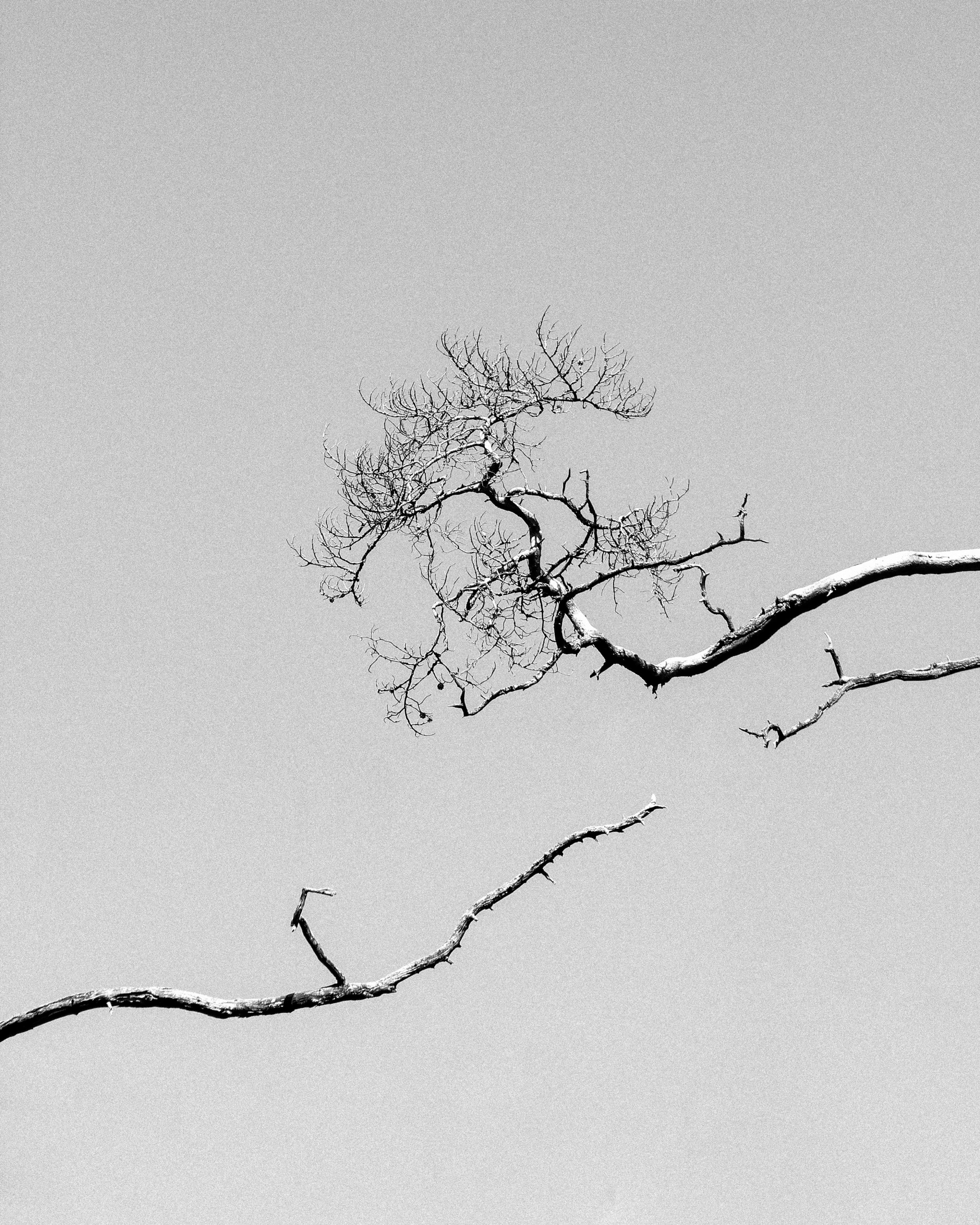
What if there is a lighter way of being in the world — more whole, more connected, more alive to what is possible?
Supported by the Creative Arts Collective and designed by Dea Studios, The Lighter Weight of Being is the culminating project for the 2025-2026 cohort of the Brehm Center’s Resilient Artist Project. The Resilient Artist Project brings artists together to cultivate spiritual formation and mental health practices in community.
Through music, spoken word, visual art, and immersive reflection, this gathering invites guests into an evening shaped by honesty, longing, beauty, and the slow work of repair. Guests are invited to write, to make something with their hands, to encounter art of all kinds, and to move through a space designed for contemplation, participation, and presence.
At its heart, this gathering asks what becomes possible when people practice, even briefly, a contemporary and lived expression of shalom: the work of restoring relationships, reintroducing presence, and putting things back into their right place.
Artists
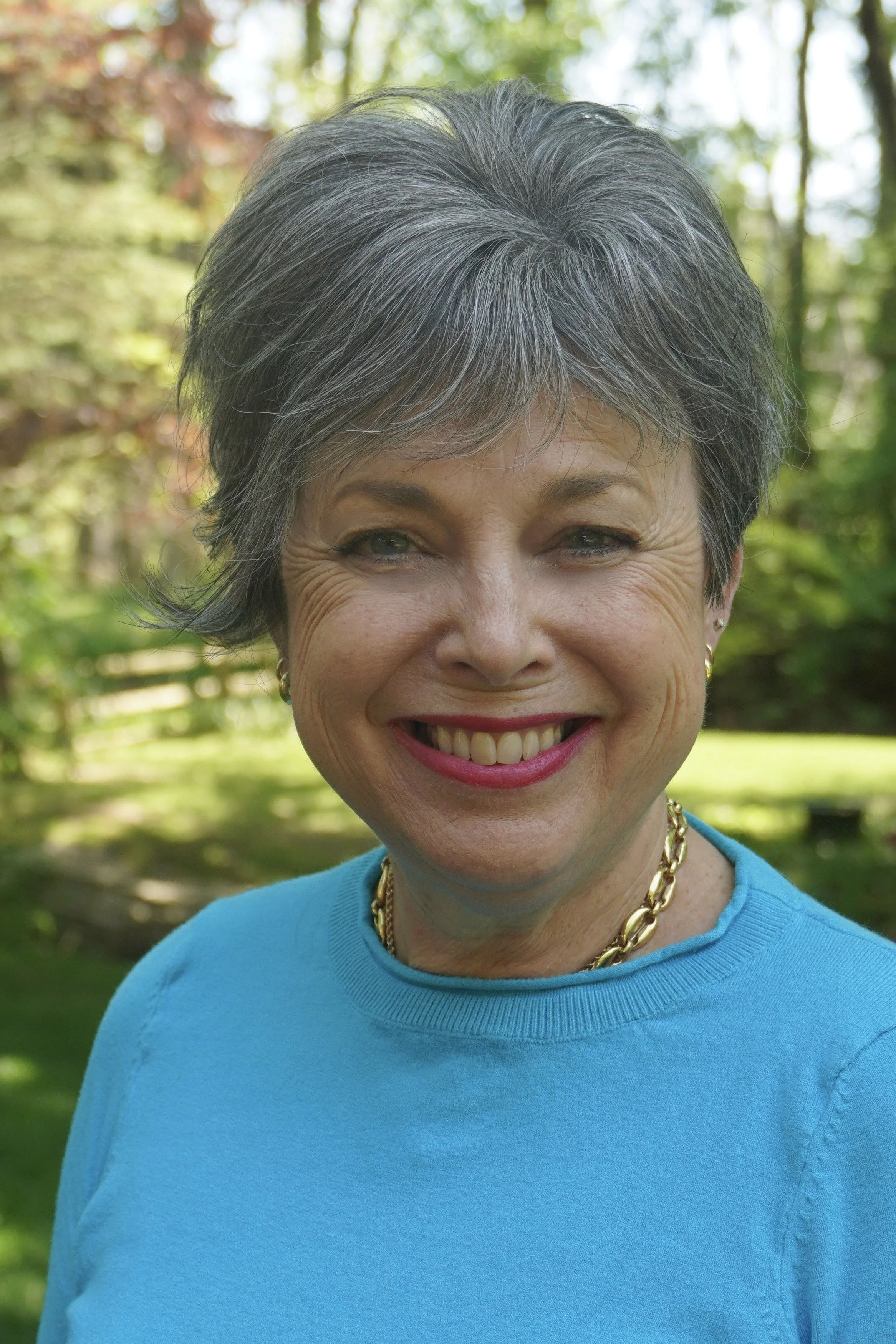
Pamela Alderman is a West Michigan artist, writer, speaker, and the founder and executive director of Healing in Arts
Visual Artist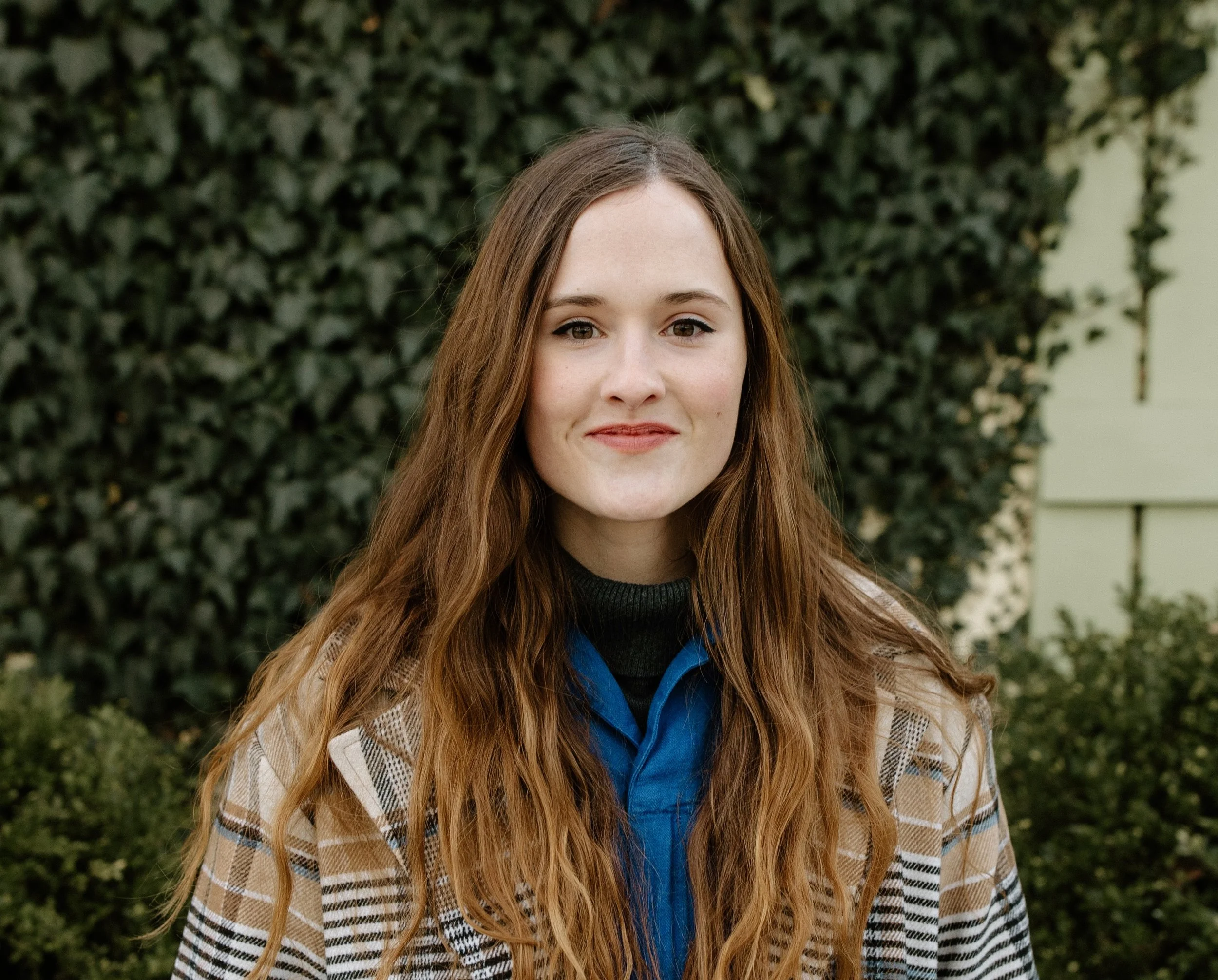
Songwriter / ComposerGabrielle Susa Grubbs is a songwriter and composer based in Los Angeles, California.
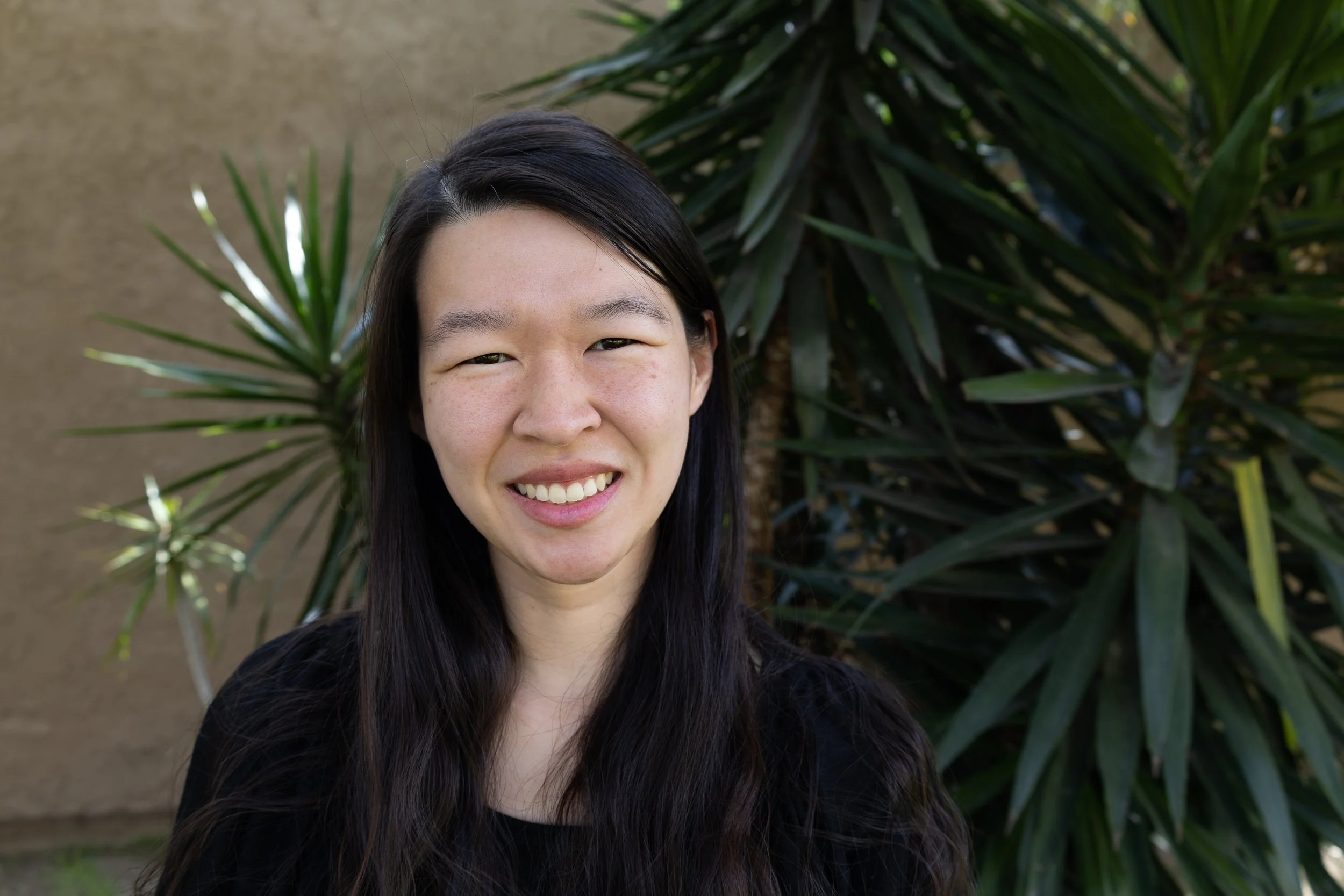
Visual ArtistMichelle Lum is a Southern California-based artist, musician, and minister. Her work highlights the wonder and beauty found in the ephemeral and everyday.
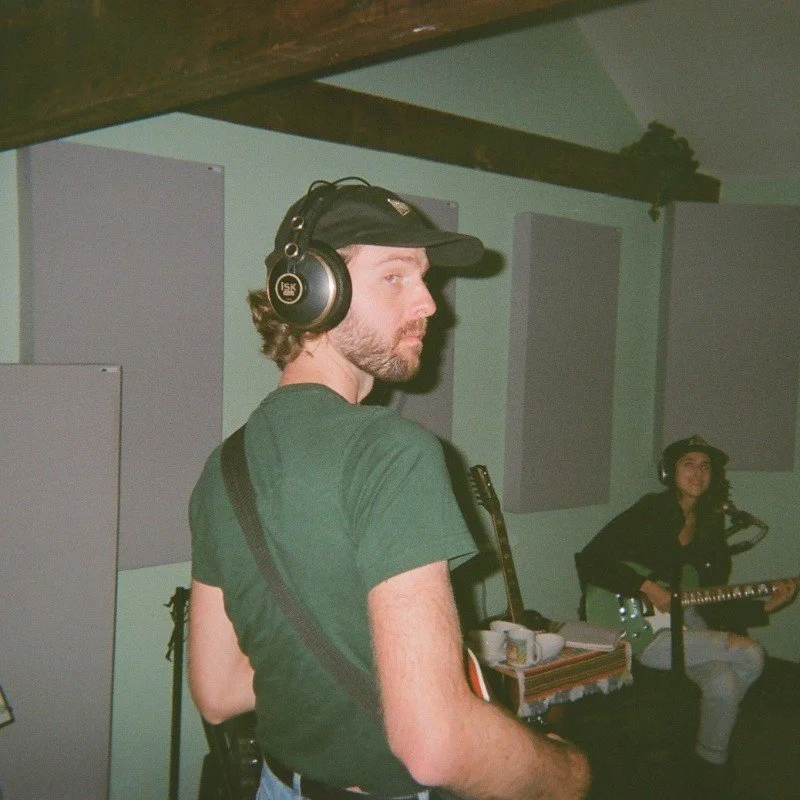
Visual ArtistGarrett Stier is a musician, artist, and gardener based in Grand Rapids, Michigan. From songwriting to collage work, most of Garrett’s creations are the result of attempts to process what is happening to the land that surrounds.
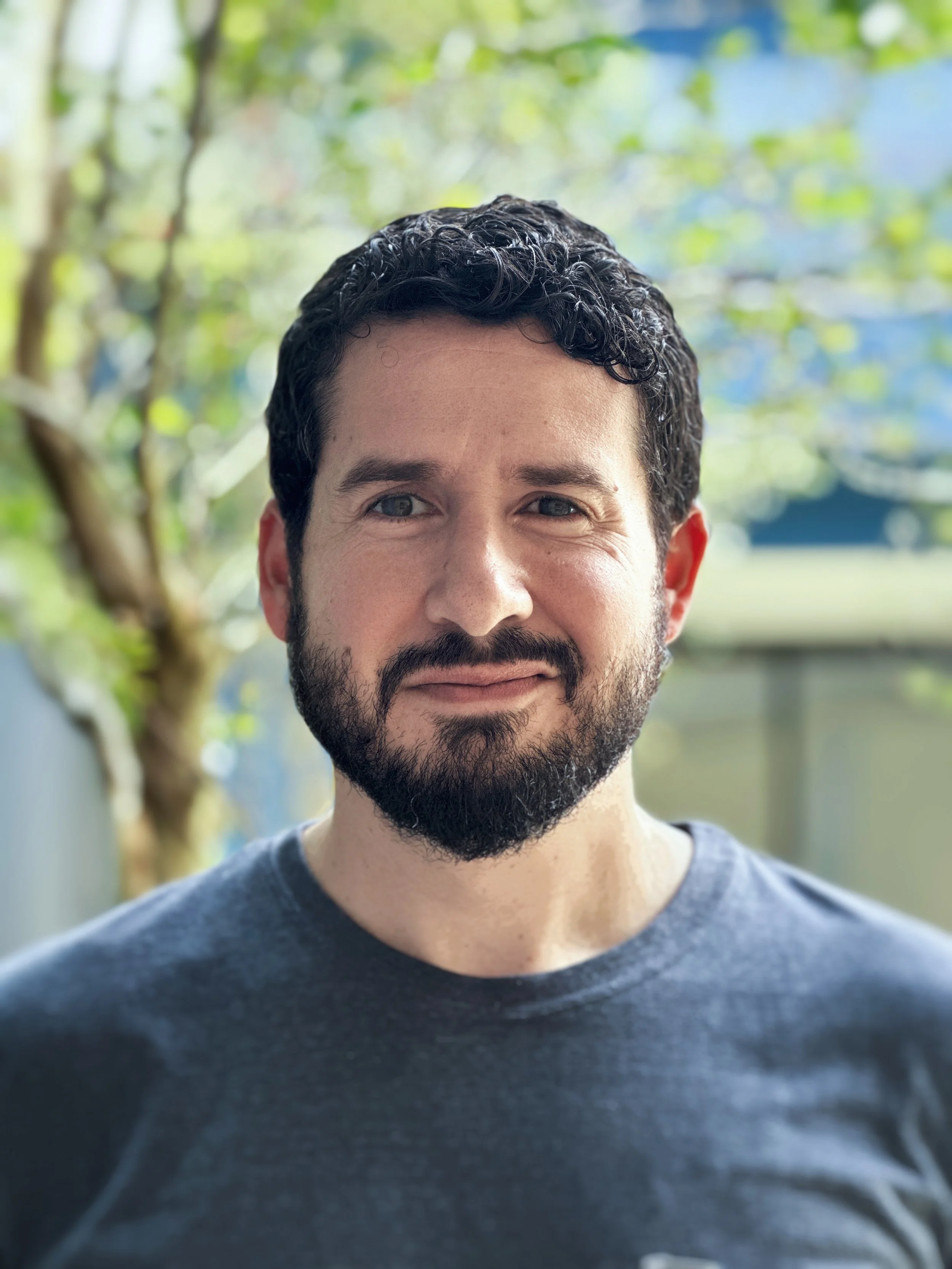
Photographer / Creative DirectorFilipe Amado is a creative director, documentary filmmaker, and theologian whose work explores how artistic expression bridges cultural and spiritual conversations in contemporary society.
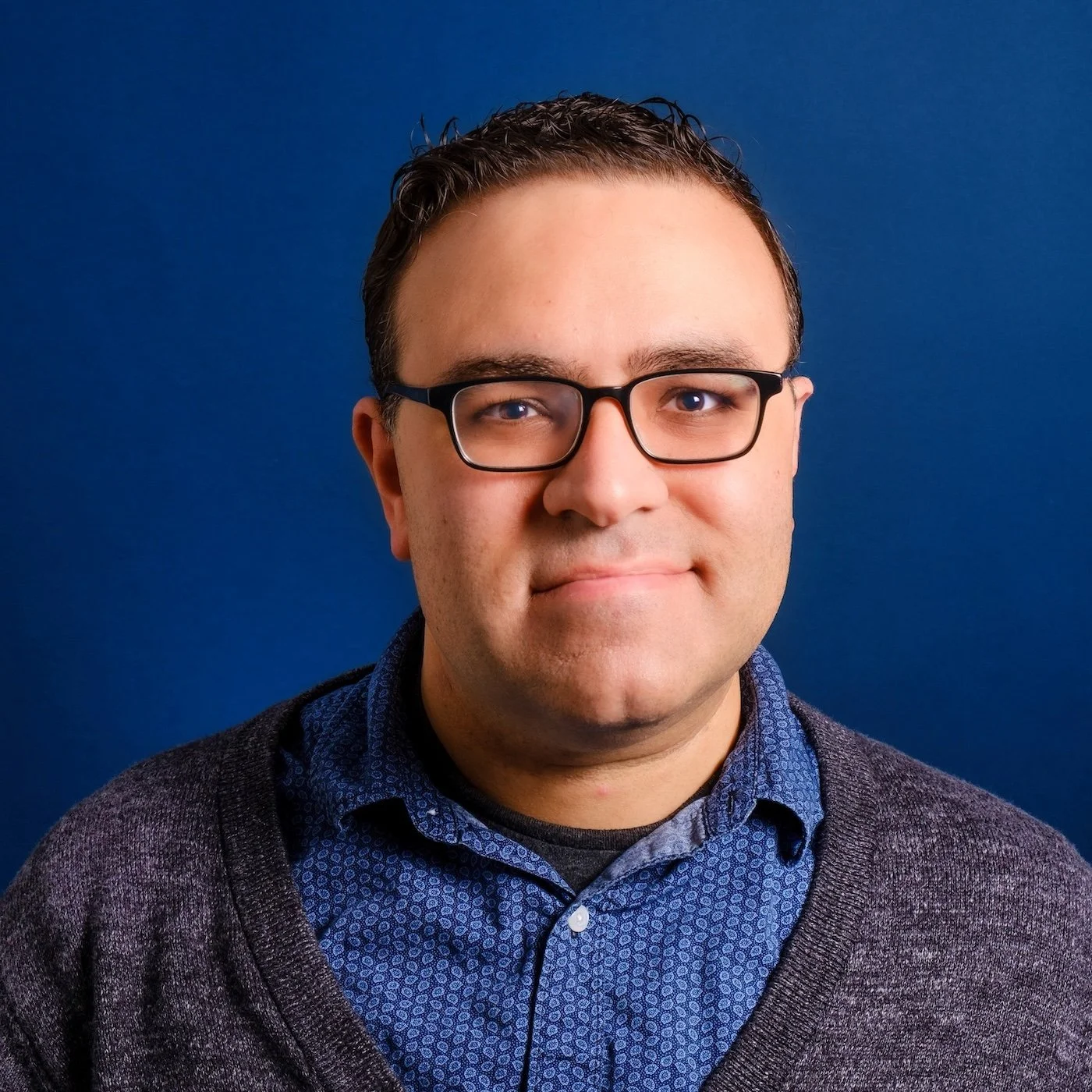
WriterMike Roe is a Los Angeles writer working across screenwriting, journalism, and live comedy, with a focus on mixed-race and Native Hawaiian identity, faith interacting with doubt, and the people mainstream storytelling overlooks.

Comedy Writer / PerformerLauren is a comedy writer, producer, podcaster, and performer. She is the founder of Creative Faith Media, which houses her work across documentary filmmaking, scripted comedy, podcasting, and ministry.
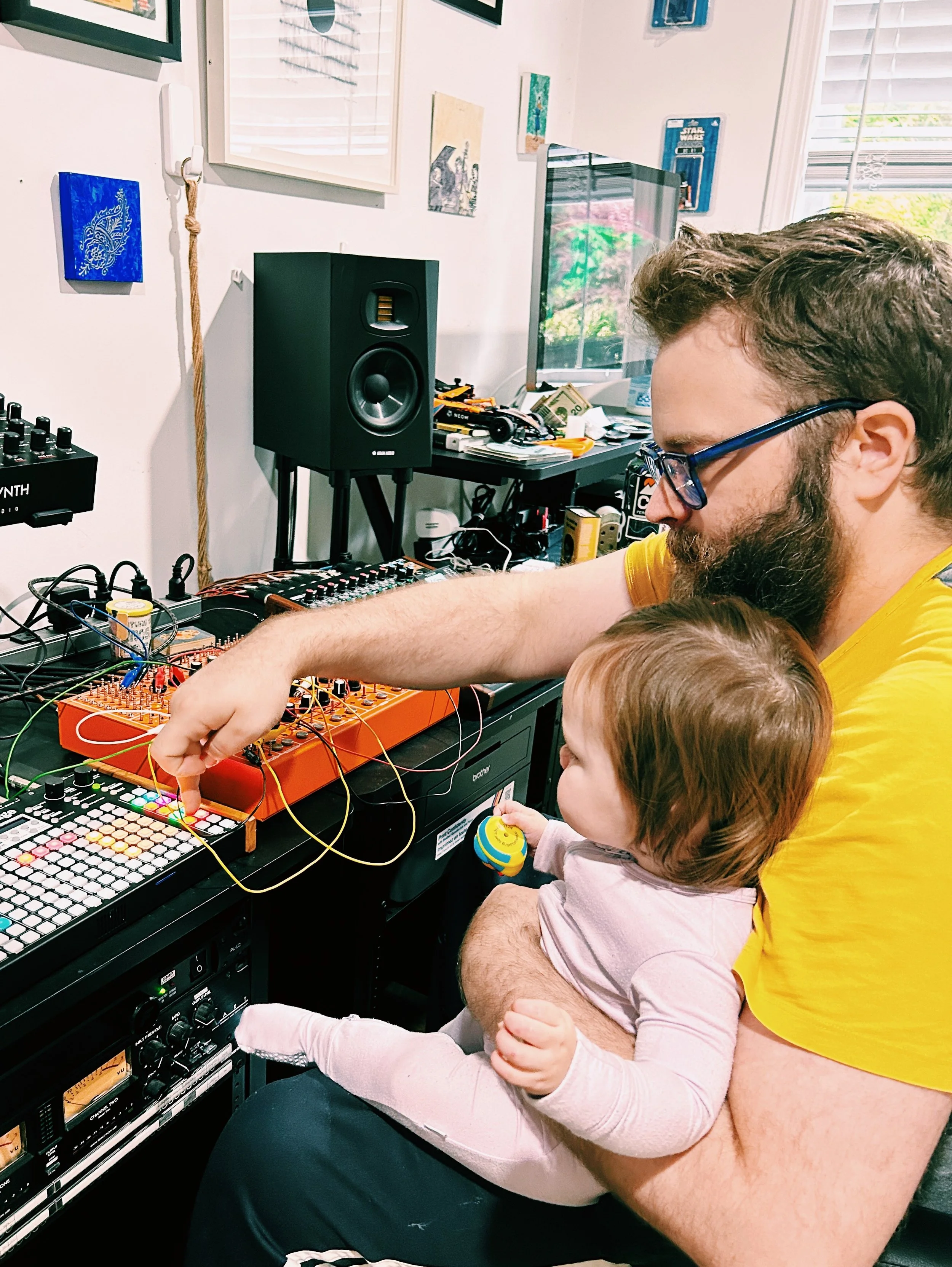
Composer / WriterCole is a composer, writer, doodler and music nerd from Seattle, WA. He specializes in experimenting with new materials, patterns, and concepts for music composition.
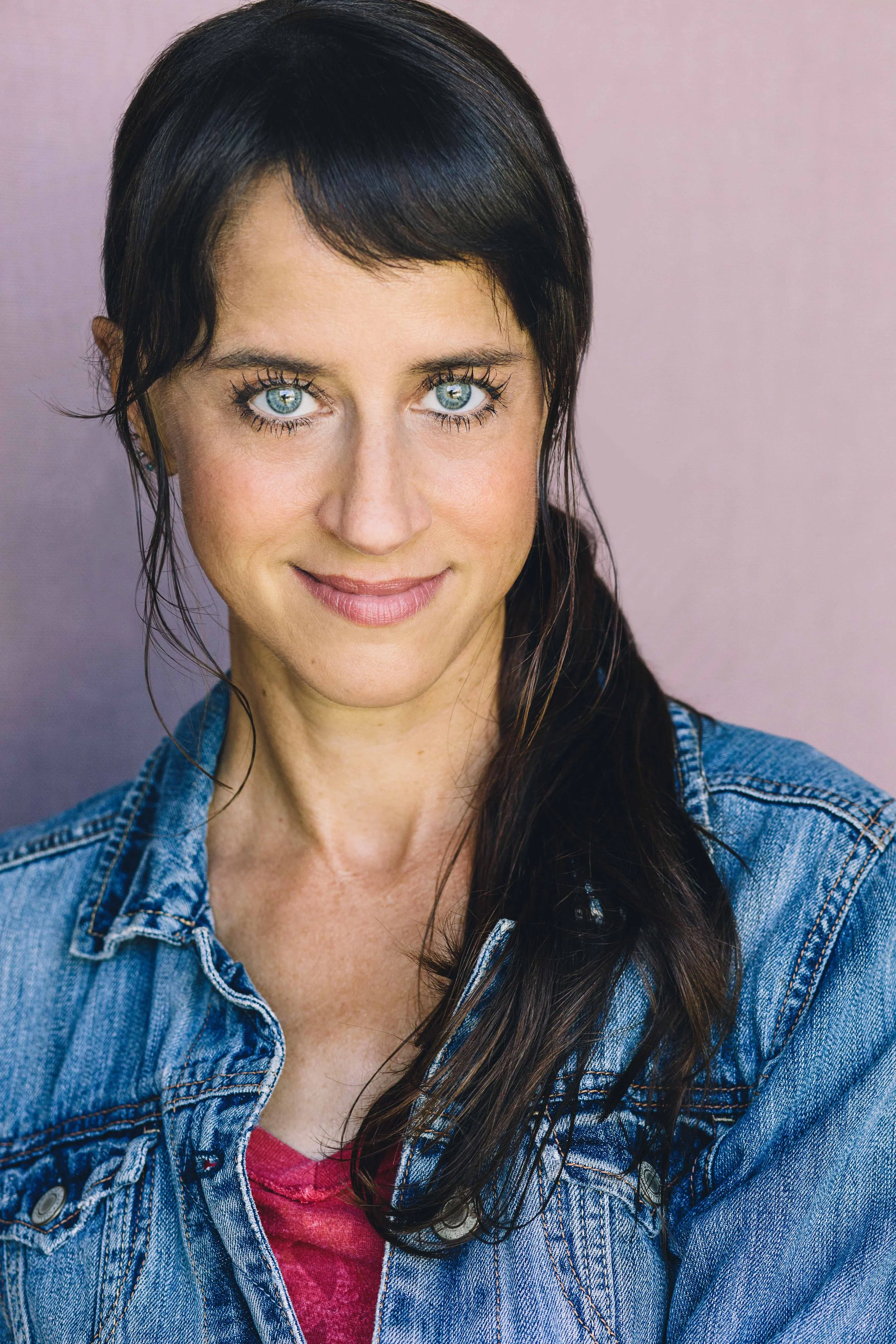
Actor / WriterNicole is an award-winning actor, writer, and filmmaker.